
What do Anglicans believe?
We are Christian. Before we are anything else, we hold the faith the apostles received and proclaimed, and we hold their witness above all else: Holy Scripture, the Old and New Testaments, in which God has spoken and still speaks to his people.
That faith is confessed in the three ancient creeds of the Church: the Nicene, the Apostles', and the Athanasian. With the whole Church we receive the first four ecumenical councils, which gave us the language of the Holy Trinity and of Jesus Christ as one person in two natures, fully God and fully man, and we hold to the Christological clarifications that followed in the fifth through seventh councils.
We are not so presumptuous as to think we are the entirety of Jesus Christ’s Church. We give thanks for our brothers and sisters across the Christian family who worship the same Triune God, and we count ourselves one part of the one, holy, catholic, and apostolic Church.
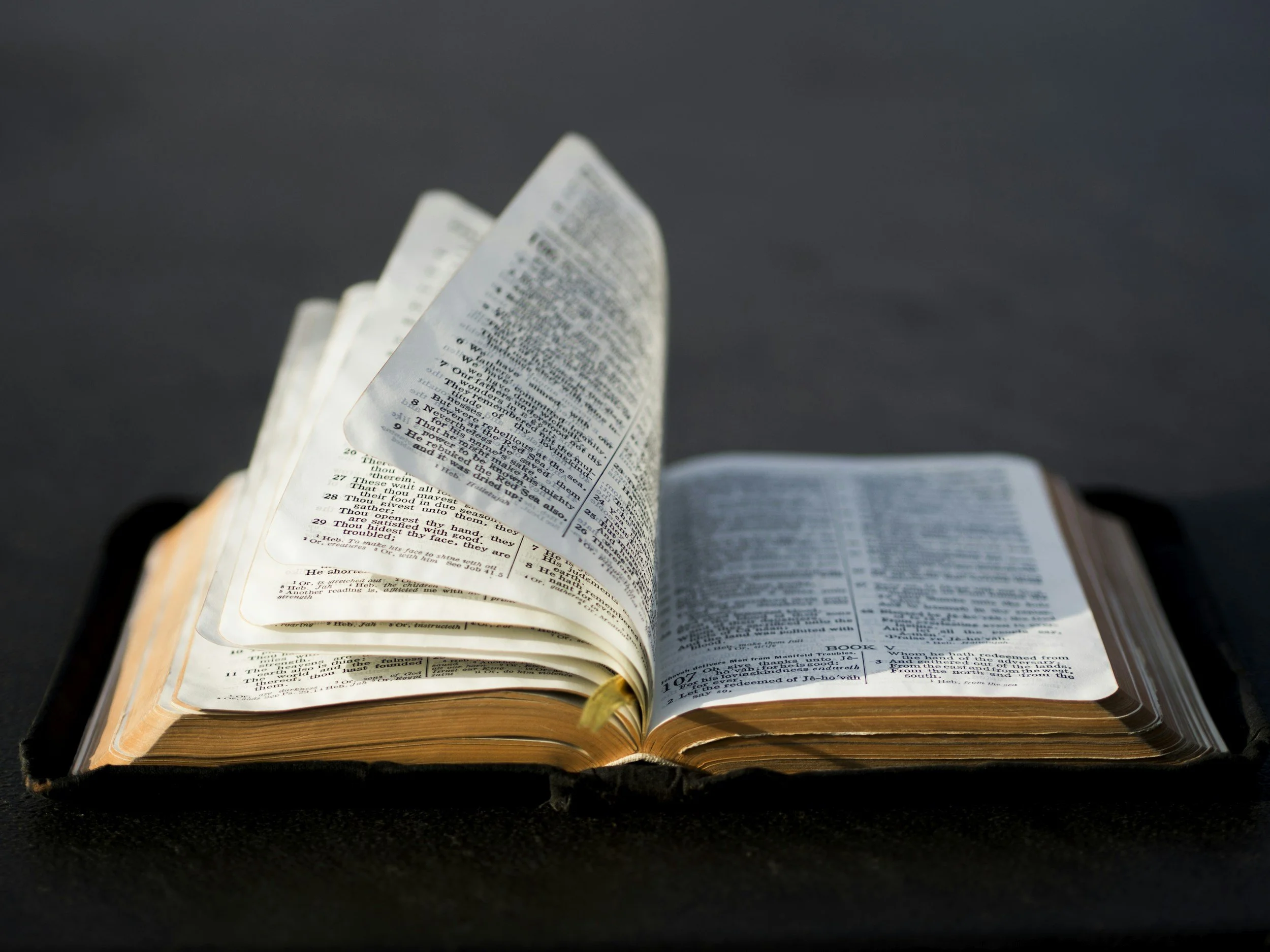
Scripture
We believe God has spoken, and that he speaks still through the Scriptures of the Old and New Testaments. They hold the final authority over what we believe and how we live, containing all things necessary for salvation. Whenever we gather we hear them read aloud in order that we may read, mark, learn, and inwardly digest them.
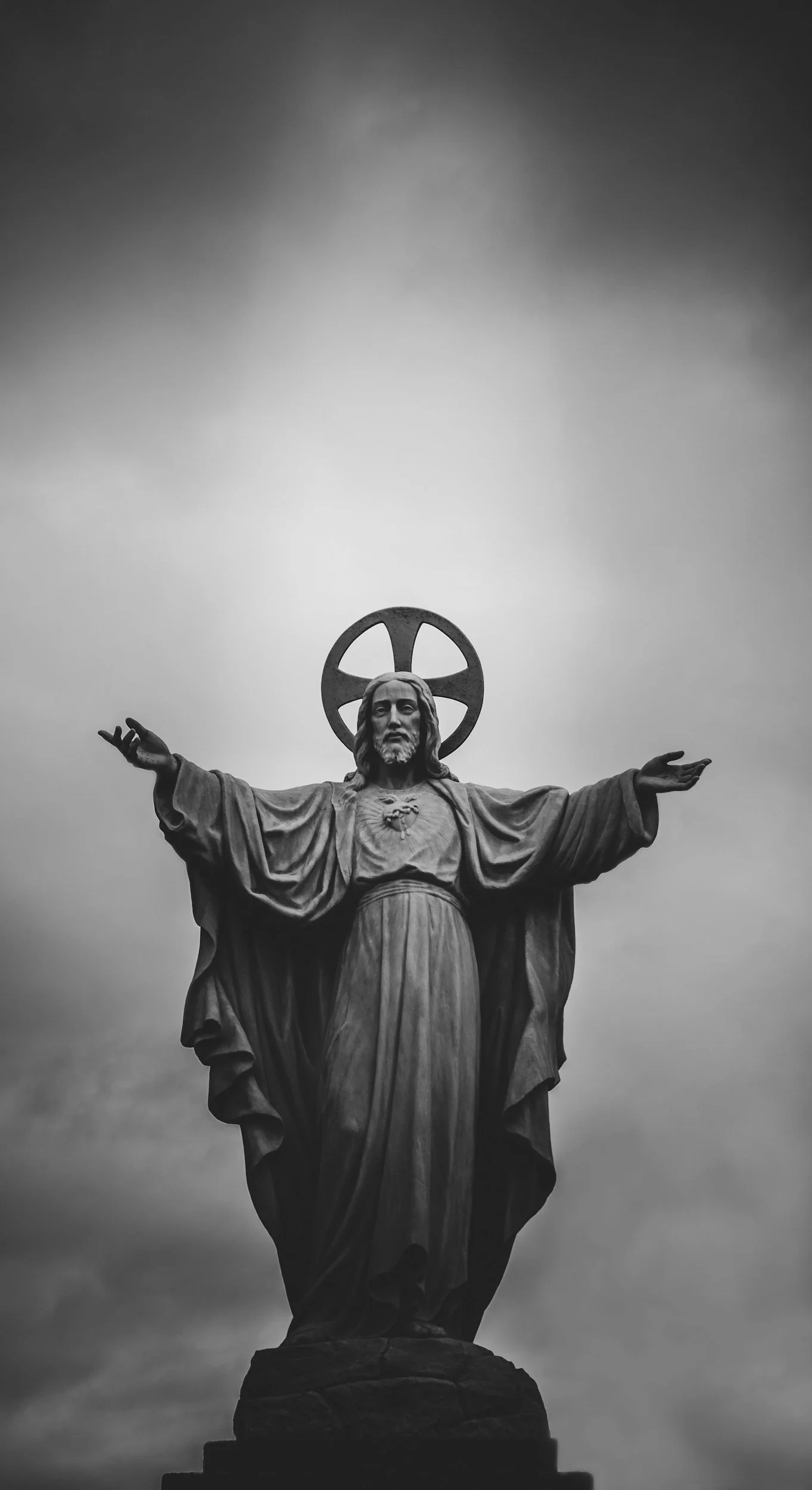
Creeds
The Nicene, Apostles, and Athanasian creeds are the faith handed down to us, the Church's own summary of what the apostles taught, settled in the early centuries and confessed ever since. Each Sunday, when we stand and say the Nicene Creed together, we add our voices to those of Christians in every age and every land.
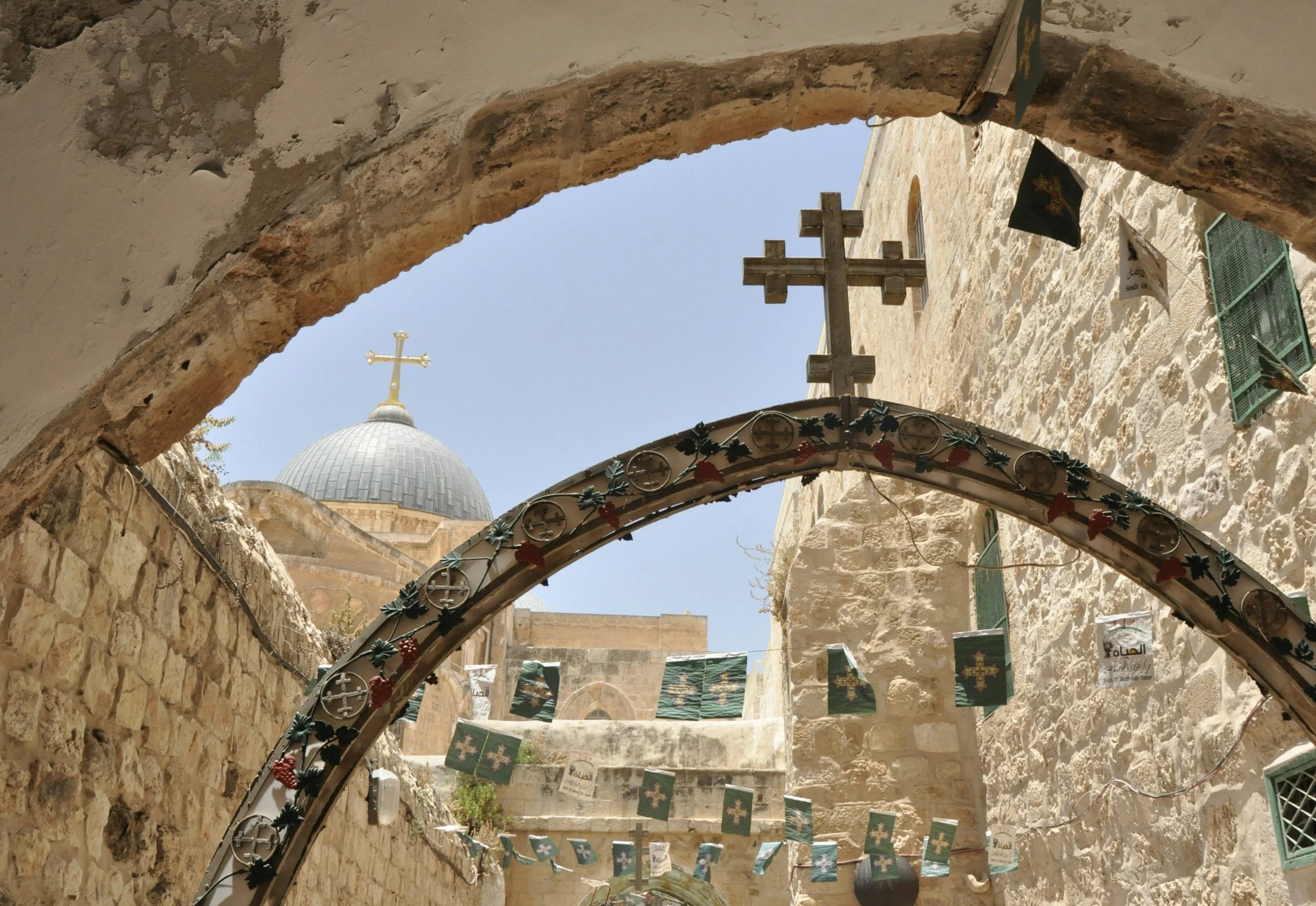
Councils
When the early Church faced serious error about who God is, her bishops gathered in council to carefully search and articulate what Scripture had always taught: that God is one in three persons, and that Jesus Christ is one person in two natures, fully God and fully man.
We are Anglican. Christianity took root in England in the earliest centuries of the Church, and that ancient faith was renewed in the Reformation of the sixteenth century. Anglicanism is that same faith, prayed in the language of the people and handed on across the centuries to us. Its doctrine and worship are shaped by three historic texts we call the formularies: the Book of Common Prayer, the Thirty-Nine Articles, and the Ordinal.
Book of Common Prayer
The Prayer Book is the heart of Anglican life, gathering Scripture, creed, and prayer into one pattern of worship we share. The official authority is the 1662 BCP, but we pray today from the 2019 edition.
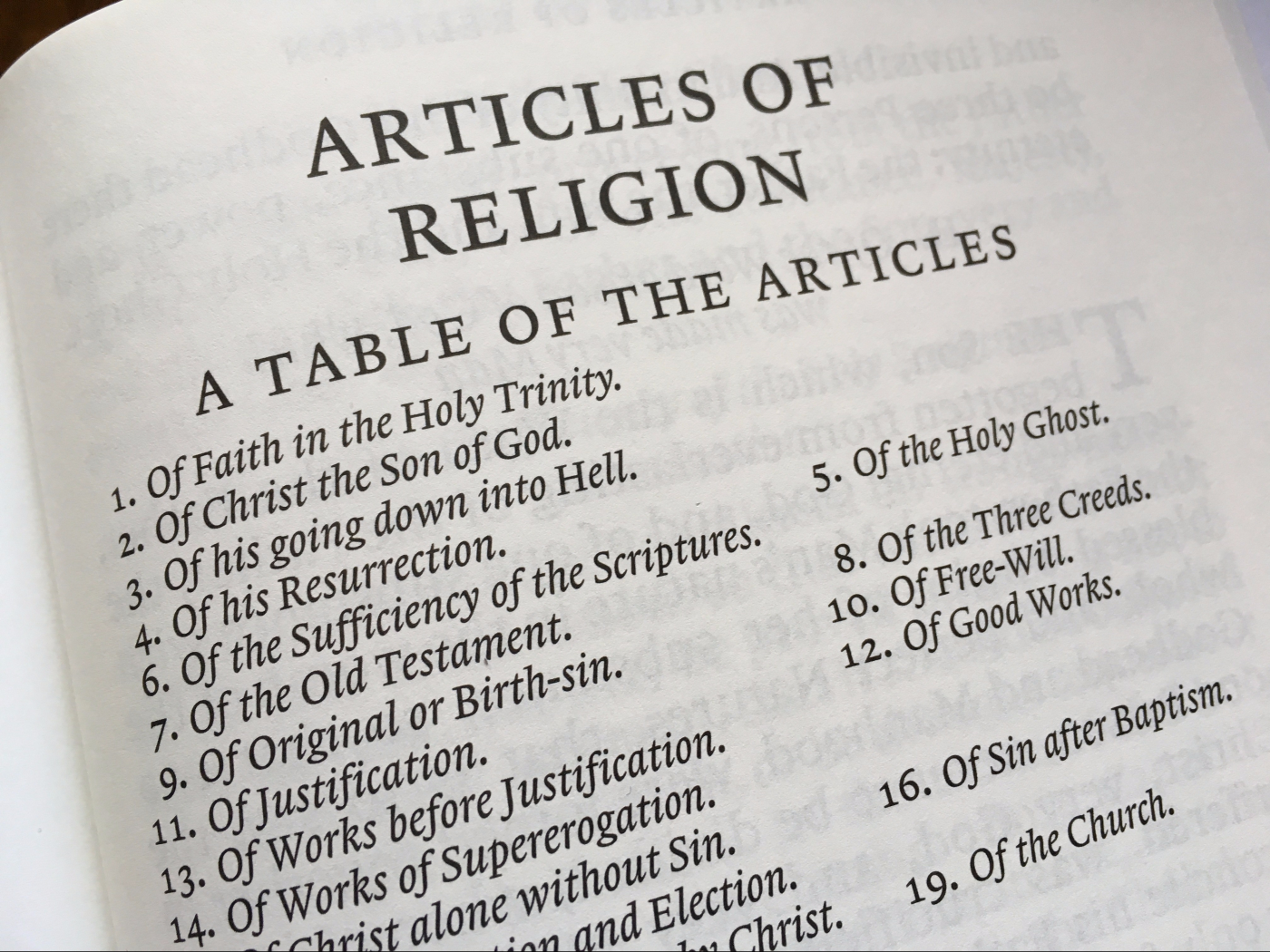
The Thirty-Nine Articles
The Articles of Religion set out where Anglicans stand on Scripture, salvation, and the sacraments, holding the gospel of grace together with the catholic faith of the creeds. They are concise by design, marking the boundaries of belief without trying to settle every question.
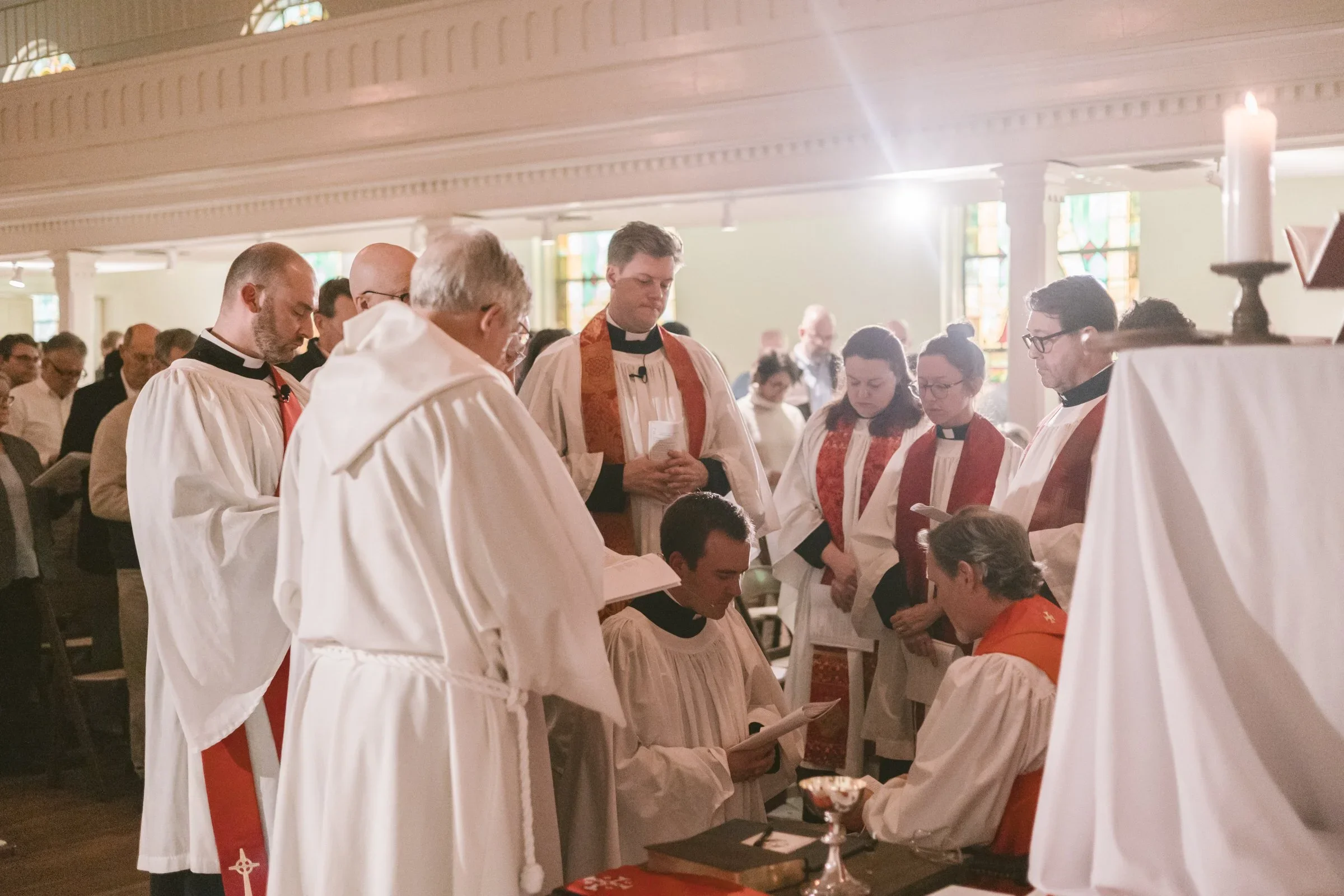
The Ordinal
The Ordinal is the rite by which the Church sets apart bishops, priests, and deacons. It keeps us joined to the ministry handed down from the apostles, so that those who preach and celebrate the sacraments do so under authority.
We are global. We are not a congregation out on our own. We belong to the Diocese of Cascadia, the Anglican Church in North America, and the worldwide Global Anglican Communion, where the historic Anglican faith is held and flourishing across Africa, Asia, and the Global South. With that global family we affirm the Jerusalem Declaration (2008) and the Abuja Affirmation (2026), standing firmly on the authority of Scripture, apostolic faith, and the Anglican formularies.
The Anglican Church in North America
We are a small and humble province, formed in 2009 by GAFCON to gather faithful Anglicans across the United States, Canada, and Mexico. We exist to reach North America with the gospel of Jesus Christ.
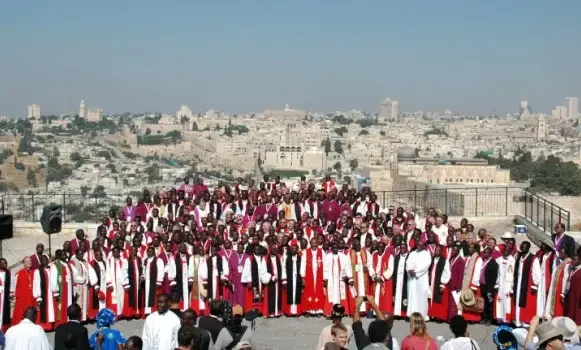
The Jerusalem Declaration
The Jerusalem Declaration is the confession of faith adopted at the first Global Anglicans Fellowship Conference (GAFCON) gathering in 2008, setting out in fourteen points the core of orthodox Anglican belief. It is the shared doctrinal basis that unites the Global Anglican Communion.
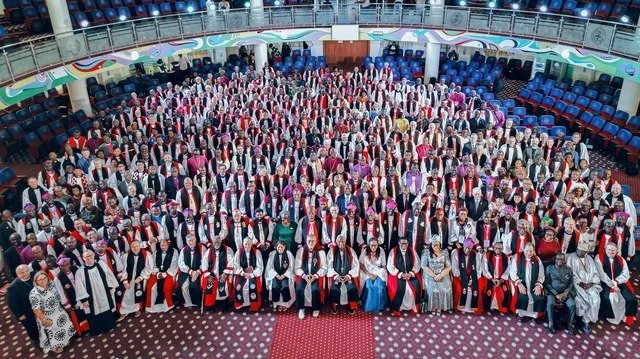
The Abuja Affirmation
The Abuja Affirmation, issued in 2026, is the most recent word of this fellowship, declaring that true Anglican communion rests on a shared confession of faith rather than on institutional ties. It established the Global Anglican Council to guard that faith and order the common life of the Global Anglican Communion.